
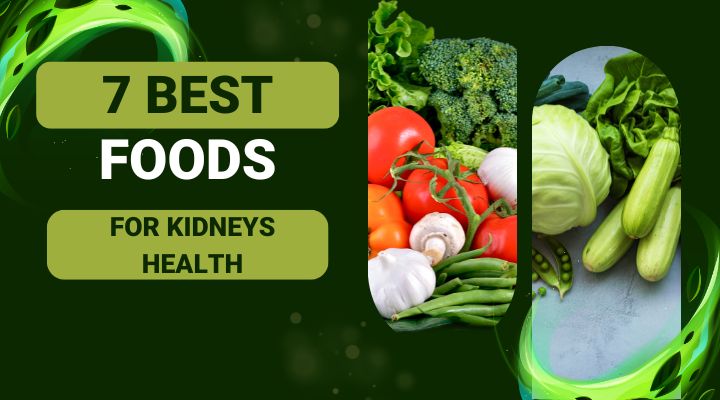
Every meal you eat is a message to your kidneys. These two extraordinary organs each no larger than a fist filter over 200 litres of blood every day, removing waste, balancing minerals, regulating blood pressure, and keeping your internal chemistry in precise equilibrium. What you put on your plate either supports that work or makes it harder.
In India, the burden of kidney disease is rising sharply. Chronic kidney disease (CKD) now affects an estimated 17% of the adult population, driven largely by the twin epidemics of diabetes and hypertension both of which are deeply influenced by diet. Yet despite this, nutrition remains one of the most underused tools in kidney health management.
As a nephrologist, I am frequently asked by patients: what should I eat to protect my kidneys? The answer is more specific and more empowering than most people realise. Certain foods, backed by strong clinical and nutritional evidence, actively reduce the workload on the kidneys, fight the inflammation that drives kidney disease, and provide the nutrients the kidneys need to function well.
Here are the seven foods I recommend most consistently to my patients for kidney health along with exactly why they work, how to eat them, and what to be mindful of if you already have kidney disease.
Contents
- 1 Quick Reference: 7 Kidney-Healthy Foods at a Glance
- 1.1 1. Cauliflower — The Kidney’s Best Vegetable
- 1.2 2. Blueberries — Nature’s Kidney Antioxidant
- 1.3 3. Garlic — The Anti-Inflammatory Kidney Protector
- 1.4 4. Egg Whites — The Kidney-Friendly Protein Source
- 1.5 5. Olive Oil — The Heart and Kidney Fat
- 1.6 6. Red Bell Peppers — The Low-Potassium Superfood
- 1.7 7. Cabbage — The Gut-Kidney Axis Superfood
- 2 A Word on Foods to Be Cautious With
- 3 Best Kidney Specialist in Khanna, Punjab | Dhiman’s Gastro Clinics
- 4 Your Plate Is Your First Line of Defence
Quick Reference: 7 Kidney-Healthy Foods at a Glance
This table is a clinical quick-reference. Scroll down for the full explanation of each food and the science behind it.
| Sr. No | Food | Key Nutrients | Kidney Benefit | Best Form | Caution |
| 1 | Cauliflower | Vitamin C, folate, fibre, indoles | Low potassium; supports detox pathways; anti-inflammatory | Steamed, roasted or as rice substitute | None for most; CKD patients can eat freely |
| 2 | Blueberries | Anthocyanins, vitamin C, manganese | Potent antioxidant; reduces oxidative stress on kidney cells | Fresh or frozen; avoid sweetened dried versions | Low potassium — safe even in CKD |
| 3 | Garlic | Allicin, manganese, vitamin B6 | Lowers inflammation; natural flavour substitute for salt | Raw, cooked or as powder in cooking | Safe for most; consult if on blood thinners |
| 4 | Egg Whites | High-quality protein, essential amino acids | Superior protein-to-phosphorus ratio vs yolk or red meat | Boiled, scrambled or in omelette (without yolk for CKD) | CKD patients: prefer over whole eggs to limit phosphorus |
| 5 | Olive Oil | Oleic acid, polyphenols, vitamin E | Anti-inflammatory; phosphorus-free; heart and kidney friendly | Extra virgin; use for cooking or as dressing | High in calories — use in moderation |
| 6 | Red Bell Peppers | Vitamins C, A, B6, folic acid, lycopene | Very low potassium; rich antioxidant profile; reduces CKD inflammation | Raw in salads or roasted; avoid pickled versions | Excellent choice even in advanced CKD |
| 7 | Cabbage | Vitamin K, C, B6, fibre, phytochemicals | Low potassium and phosphorus; supports gut microbiome health linked to CKD | Raw, boiled or as sabzi; avoid adding excess salt | Safe for all kidney disease stages |
1. Cauliflower — The Kidney’s Best Vegetable
If I could prescribe one vegetable for kidney health, cauliflower would be a strong contender. It is remarkably low in potassium, phosphorus, and sodium — the three minerals that damaged kidneys struggle most to regulate — while being rich in vitamin C, folate, and dietary fibre.
What makes cauliflower especially valuable is its content of indoles and glucosinolates, plant compounds that support the liver’s and kidneys’ natural detoxification pathways. These phytochemicals help neutralise harmful substances before they can accumulate and stress the kidneys further.
From a practical standpoint, cauliflower is one of the most versatile vegetables in Indian cooking. It works beautifully as aloo gobi, in curries, steamed as a side dish, or even blended into a low-potassium alternative to potato-based dishes. For patients with advanced CKD who are managing potassium and phosphorus restrictions, cauliflower is one of the safest and most nutritious foods available.
🥦 Kidney Tip: Boiling cauliflower and discarding the cooking water further reduces its potassium content — a technique called ‘leaching’ that benefits CKD patients on potassium restrictions.
2. Blueberries — Nature’s Kidney Antioxidant
The kidneys are highly vulnerable to oxidative stress — the cellular damage caused by free radicals that accumulates in kidney disease and accelerates its progression. Blueberries are among the most potent antioxidant-rich foods available, packed with anthocyanins (the pigments that give them their deep blue colour), vitamin C, and manganese.
Multiple studies have shown that regular blueberry consumption reduces markers of oxidative stress and inflammation in the body, including in patients with early kidney disease. Crucially, unlike many fruits that are high in potassium (such as bananas, oranges, and mangoes), blueberries have a relatively low potassium content — making them one of the rare fruits that can be safely enjoyed even by patients managing CKD.
In Punjab’s diet, where fresh blueberries may be seasonal or expensive, frozen blueberries are an excellent and equally nutritious alternative. They can be added to curd (dahi), blended into smoothies with low-potassium milk alternatives, or eaten as a snack. Avoid sweetened or dried versions, which concentrate both sugar and potassium.
🫐 Kidney Tip: A small handful of blueberries (80–100g) daily provides therapeutic antioxidant levels without overloading potassium intake — even for CKD Stage 3–4 patients.
3. Garlic — The Anti-Inflammatory Kidney Protector
Garlic is one of the most clinically well-studied foods in cardiovascular and renal medicine, and its benefits for kidney health are substantial. Its primary active compound, allicin, has potent anti-inflammatory and antioxidant properties that directly reduce the chronic low-grade inflammation that drives both the progression of CKD and the cardiovascular complications that often accompany it.
But garlic offers another benefit that is particularly relevant for kidney patients: it is an outstanding flavour enhancer that allows people to dramatically reduce their salt intake without sacrificing taste. Since excess sodium is one of the primary dietary threats to kidney health — raising blood pressure and increasing the kidneys’ filtration burden — replacing salt with garlic in cooking is a simple yet clinically significant dietary change.
Research also suggests garlic may have mild protective effects against kidney damage caused by certain nephrotoxic drugs and heavy metals, and may help regulate blood sugar in diabetic patients — addressing one of the root causes of diabetic nephropathy. In Punjabi cuisine, where garlic is already a kitchen staple, incorporating more of it in cooking is both culturally natural and medically sound.
🧄 Kidney Tip: Crush or chop garlic and let it rest for 10 minutes before cooking — this activates allicin production. Raw garlic provides the highest concentration of kidney-protective compounds.
4. Egg Whites — The Kidney-Friendly Protein Source
Protein is a nutritional challenge in kidney disease. The kidneys are responsible for clearing the waste products of protein metabolism — primarily urea and creatinine — so when kidney function is impaired, protein intake must be carefully managed. Too much protein accelerates kidney damage; too little leads to muscle wasting and malnutrition.
The solution is not to avoid protein, but to choose high-quality protein sources with the most favourable waste profile. Egg whites represent the gold standard in this regard. They provide all nine essential amino acids in highly bioavailable form, while containing virtually no phosphorus — unlike egg yolks, red meat, and dairy, which carry significant phosphorus loads that damaged kidneys struggle to excrete.
For patients with CKD, replacing meat-based protein with egg whites where possible can meaningfully slow disease progression by reducing the phosphate burden on the kidneys while maintaining essential nutrition. For healthy individuals, egg whites are simply a lean, high-quality protein that supports overall metabolic health without stressing the kidneys.
🥚 Kidney Tip: CKD patients should prioritise egg whites over whole eggs. Two egg whites provide roughly 7g of high-quality protein with minimal potassium, phosphorus, or sodium.
5. Olive Oil — The Heart and Kidney Fat
Fat is often treated as the enemy in diet advice, but the right fat is profoundly kidney-protective. Extra virgin olive oil is rich in oleic acid (a monounsaturated fatty acid) and a family of polyphenols — including oleocanthal, which functions similarly to ibuprofen as a natural anti-inflammatory compound — that reduce systemic inflammation throughout the body.
From a kidney-specific perspective, olive oil is notable for what it does not contain: phosphorus, potassium, and sodium are essentially absent. This makes it one of the safest caloric sources for patients with kidney disease who need to maintain energy intake while managing strict mineral restrictions. It is also free of the trans fats found in vanaspati and many processed cooking oils, which contribute to the cardiovascular disease that is the leading cause of death in CKD patients.
In the context of a Punjabi diet that has traditionally relied on desi ghee and refined oils for cooking, replacing a proportion of these with extra virgin olive oil — especially for salad dressings, dips, and light cooking — provides kidney and cardiovascular benefits simultaneously. For those who prefer traditional fats, even modest olive oil incorporation is beneficial.
🫒 Kidney Tip: Extra virgin olive oil retains the most polyphenols. Use it for low-heat cooking, drizzled over sabzi, or as a base for chutneys and dressings rather than deep frying.
6. Red Bell Peppers — The Low-Potassium Superfood
Red bell peppers (shimla mirch) are something of a hidden gem in kidney nutrition. They are extraordinarily rich in vitamins C, A, and B6, folic acid, and lycopene — a powerful antioxidant also found in tomatoes — while being among the lowest-potassium vegetables available. This combination makes them ideal for kidney patients who need to maximise nutritional density while strictly limiting potassium.
The lycopene content of red bell peppers is particularly relevant for kidney health. Lycopene has demonstrated protective effects against the oxidative damage that drives CKD progression, and epidemiological studies associate higher lycopene intake with lower rates of kidney disease advancement. Additionally, the high vitamin C content supports immune function — important in CKD patients who are often immunocompromised — and the B6 and folate support cardiovascular health.
Red bell peppers are one of the few vegetables that kidney specialists actively encourage patients to eat generously, even in advanced CKD. They can be eaten raw in salads, roasted as a side dish, stuffed and baked, or incorporated into sabzi and curries. Their natural sweetness and colour make them a welcome addition to any kidney-healthy meal plan.
🫑 Kidney Tip: Red bell peppers have more than twice the vitamin C of green peppers and higher lycopene content. Always choose red over green or yellow for maximum kidney-protective benefit.
7. Cabbage — The Gut-Kidney Axis Superfood
Cabbage (patta gobi) is one of the most underrated vegetables in kidney health, and its benefits extend beyond its well-known nutritional profile of vitamin K, vitamin C, vitamin B6, and dietary fibre. Emerging research has illuminated a powerful but underappreciated connection: the gut-kidney axis.
In kidney disease, the gut microbiome — the community of bacteria living in the intestine — becomes dysbiotic (imbalanced), producing uremic toxins including indoxyl sulphate and p-cresol that enter the bloodstream and directly accelerate kidney damage. Cabbage, rich in fermentable fibre and phytochemicals called glucosinolates, actively promotes a healthier gut microbiome, reducing the production and absorption of these harmful uremic toxins.
Additionally, cabbage is extremely low in potassium and phosphorus, making it one of the safest vegetables for even late-stage CKD patients. In Punjabi households where bandgobi ki sabzi and stuffed parathas are kitchen staples, cabbage is already a natural part of the diet — and simply maintaining or increasing its presence, without excessive salt, provides meaningful kidney-protective benefits.
🥬 Kidney Tip: Fermented cabbage preparations (similar to kimchi or sauerkraut) may offer additional probiotic benefits for the gut-kidney axis, though sodium content in commercial versions should be checked by CKD patients.
A Word on Foods to Be Cautious With
For every food that protects the kidneys, there are others that place them under unnecessary strain. As a general guide, patients with existing kidney disease should be cautious with:
- High-potassium foods in large amounts: bananas, oranges, potatoes, tomatoes, spinach, and coconut water (quantity matters — discuss with your nephrologist)
- High-phosphorus foods: processed cheese, cola drinks, packaged snacks with phosphate additives, red meat in excess, and whole dairy
- Excess salt and sodium: pickles, papads, namkeen, and processed foods
- High-protein diets: particularly red meat and protein supplements, unless specifically prescribed
- Herbal supplements and Ayurvedic preparations without nephrologist approval — some contain nephrotoxic compounds
Best Kidney Specialist in Khanna, Punjab | Dhiman’s Gastro Clinics
The nutritional guidance in this blog reflects the clinical philosophy of Dr. Deepali Kaushal — one of Punjab’s most trusted Consultants in Nephrology and Transplant Medicine, practising at Dhiman’s Gastro Clinics in Khanna. With over 11 years of dedicated experience and advanced qualifications in MD (Internal Medicine) and DM Nephrology, Dr. Kaushal brings both the scientific rigour and the patient-centred empathy that kidney care demands.
Your Plate Is Your First Line of Defence
The seven foods outlined in this blog are not exotic superfoods or expensive supplements. Cauliflower, blueberries, garlic, egg whites, olive oil, red bell peppers, and cabbage are accessible, affordable, and already present in many Indian kitchens. What changes is the intention behind choosing them — understanding that every serving is an act of protection for one of your most vital organs.
The kidneys cannot regenerate lost function. Once nephrons are damaged beyond a certain threshold, that capacity is gone. But they respond with remarkable gratitude to the right dietary environment — one that is low in sodium, phosphorus, and oxidative stress, and rich in the antioxidants, fibre, and high-quality nutrients that allow them to keep doing their extraordinary work.
Feed your kidneys well today, and they will carry you well for a lifetime.
“You cannot out-medicate a poor diet. But you can eat your way toward healthier kidneys — one meal at a time.”

 Call Us
 WhatsApp
 Locate Us