
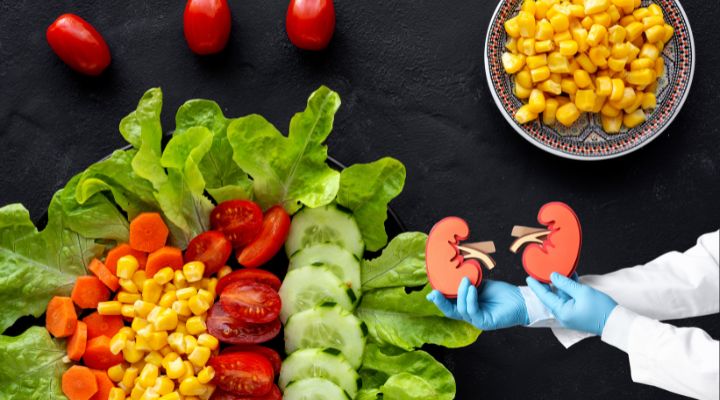
Your kidneys are among the hardest-working organs in your body. Every single minute, they filter approximately 1.5 litres of blood, remove waste through urine, regulate blood pressure, balance electrolytes, and produce hormones that protect your bones and stimulate red blood cell production. Yet kidney disease is often called the ‘silent epidemic’ — because by the time most people notice symptoms, significant damage has already been done.
The good news? The majority of kidney diseases are preventable. The choices you make today — how much water you drink, how you manage your blood sugar, which medications you take — directly determine your kidney health decades from now.
As a nephrologist practising in Punjab, I have compiled the seven most important rules every person should follow to protect their kidneys for life. Follow these consistently, and you give your kidneys the best possible chance of functioning well into old age.
Contents
- 1 Quick Reference: 7 Golden Rules at a Glance
- 2 Rule 1: Stay Hydrated — the Right Way
- 3 Rule 2: Control Your Blood Pressure
- 4 Rule 3: Keep Blood Sugar Under Control
- 5 Rule 4: Reduce Your Salt Intake
- 6 Rule 5: Be Cautious with Painkillers and Supplements
- 7 Rule 6: Never Ignore the Warning Signs
- 8 Rule 7: Get Regular Kidney Function Tests
- 9 About Dr. Deepali Kaushal
- 10 Conclusion
Quick Reference: 7 Golden Rules at a Glance
Use this table as your kidney health checklist — review it regularly and share it with your family.
| Sr. No | Golden Rule | What to Do | Why It Matters |
| 1 | Stay Hydrated — the Right Way | Drink 2–3 litres of water daily (adjust for climate and activity) | Dilutes waste products and prevents stone formation |
| 2 | Control Blood Pressure | Keep BP below 130/80 mmHg through diet, exercise, and medication if needed | High BP is the second leading cause of kidney failure worldwide |
| 3 | Manage Blood Sugar | Maintain HbA1c below 7% if diabetic; limit refined sugars | Diabetes is the #1 cause of chronic kidney disease globally |
| 4 | Reduce Salt Intake | Limit sodium to under 2,300 mg/day; avoid processed and packaged foods | Excess salt raises blood pressure and strains kidney filtration |
| 5 | Avoid Overusing Painkillers & Supplements | Use NSAIDs (ibuprofen, diclofenac) only when prescribed; be cautious with herbal supplements | These are among the most common causes of drug-induced kidney injury |
| 6 | Don’t Ignore Warning Signs | Act on foamy urine, swollen ankles, fatigue, and changes in urination frequency | Early-stage CKD is silent — symptoms appear only after significant damage |
| 7 | Get Regular Kidney Function Tests | Annual serum creatinine, eGFR, urine ACR if you’re at risk (diabetic, hypertensive, over 50) | Early detection can slow progression and prevent dialysis |
Rule 1: Stay Hydrated — the Right Way
Adequate hydration is the single simplest thing you can do for your kidneys. Water helps flush out toxins, reduces the concentration of waste products in urine, and significantly lowers the risk of kidney stone formation and urinary tract infections.
For most healthy adults in Punjab’s climate, a daily intake of 2.5 to 3 litres of fluid is appropriate — more during summer months or periods of physical exertion. The goal is urine that appears pale straw yellow. Consistently dark urine is a sign of dehydration; completely clear urine all day may indicate over-hydration, which carries its own risks.
Importantly, hydration does not mean only water. Coconut water, buttermilk (chaas), dal, and water-rich fruits all contribute. However, if you have been diagnosed with chronic kidney disease (CKD) or are on dialysis, your fluid intake may need to be restricted — always follow your nephrologist’s specific guidance.
Rule 2: Control Your Blood Pressure
Hypertension and kidney disease exist in a dangerous cycle: high blood pressure damages kidney blood vessels, and damaged kidneys struggle to regulate blood pressure — making hypertension worse. This feedback loop is responsible for a large proportion of end-stage kidney failure cases in India.
The target blood pressure for kidney protection is below 130/80 mmHg. Achieving this requires a combination of dietary sodium restriction, regular aerobic exercise (at least 30 minutes, 5 days a week), stress management, and — where necessary — antihypertensive medications. Do not skip or self-discontinue BP medication once prescribed. Consistency is everything.
Rule 3: Keep Blood Sugar Under Control
Diabetes is the leading cause of chronic kidney disease worldwide, and India carries one of the highest burdens of diabetic nephropathy globally. When blood glucose remains elevated over years, it damages the delicate filtration units of the kidney — the glomeruli — leading to protein leakage into urine, progressive scarring, and eventually kidney failure.
If you are diabetic, maintaining your HbA1c below 7% is one of the most powerful kidney-protective measures available. This requires consistent monitoring, dietary discipline (limiting refined carbohydrates, sugary beverages, and processed foods), appropriate medications including newer agents like SGLT2 inhibitors which have shown direct kidney-protective effects, and regular urine and blood tests for early signs of kidney involvement.
Rule 4: Reduce Your Salt Intake
Excess sodium is a hidden enemy of kidney health. It raises blood pressure, causes your kidneys to retain water, and increases the risk of kidney stones. The average Indian diet significantly exceeds the recommended 2,300 mg of sodium per day, largely due to pickles, papads, processed snacks, instant noodles, and liberal use of table salt.
Practical steps to reduce salt: cook with herbs and lemon juice instead of salt, avoid adding extra salt at the table, read nutrition labels on packaged foods, and reduce frequency of eating out. These changes are particularly important if you are already managing hypertension or early kidney disease.
Read More :- Nephrologist Suggests 6 Healthy Habits to Keep Your Kidneys Healthy
Rule 5: Be Cautious with Painkillers and Supplements
This is one of the most underappreciated causes of kidney damage in India. Non-steroidal anti-inflammatory drugs (NSAIDs) — including ibuprofen, diclofenac, and naproxen — are available over the counter and widely self-prescribed for back pain, joint pain, and fevers. When taken regularly or in high doses, they reduce blood flow to the kidneys and can cause acute kidney injury, which may progress to chronic damage.
Similarly, certain herbal and Ayurvedic supplements — including those containing aristolochic acid, chromium, or undisclosed heavy metals — have documented nephrotoxic effects. Always consult your doctor before starting any supplement, and never use NSAIDs for more than a few days without medical supervision.
Rule 6: Never Ignore the Warning Signs
Because the kidneys have tremendous reserve capacity, symptoms of kidney disease often don’t appear until more than 60% of function has been lost. This is why awareness of early warning signs is critical:
- Foamy or frothy urine (suggests protein leakage)
- Swelling in the ankles, feet, or around the eyes (oedema)
- Decreased urine output or changes in urination frequency
- Persistent fatigue or weakness without clear cause
- High blood pressure that is difficult to control
If you experience any of these, do not wait. An early consultation with a nephrologist can mean the difference between managing the condition with medication and needing dialysis.
Rule 7: Get Regular Kidney Function Tests
Screening is the single most powerful tool for catching kidney disease before it becomes irreversible. If you fall into any of the following categories, annual kidney function testing is essential:
- Diagnosed with diabetes or hypertension
- Family history of kidney disease or polycystic kidney disease
- Above the age of 50
- History of recurrent kidney stones or UTIs
- Long-term use of NSAIDs or other nephrotoxic drugs
The key tests to ask for are serum creatinine with estimated GFR (eGFR), urine albumin-to-creatinine ratio (ACR), and a routine urine microscopy. These simple, affordable tests can detect kidney disease years before symptoms appear.
About Dr. Deepali Kaushal
The seven golden rules outlined in this blog reflect the daily clinical wisdom of Dr. Deepali Kaushal — a highly respected Consultant in Nephrology and Transplant Medicine at Dhiman’s Gastro Clinics, Khanna, Punjab. With over 11 years of dedicated experience and advanced qualifications including MD (Internal Medicine) and DM Nephrology, Dr. Kaushal is recognised as one of the leading kidney specialists in Punjab. Her areas of expertise span the full spectrum of kidney care: Chronic Kidney Disease (CKD), Acute Kidney Injury (AKI), diabetic nephropathy, glomerular and autoimmune kidney disorders, resistant hypertension, hemodialysis, peritoneal dialysis, renal biopsy, and post-transplant follow-up. With a patient-first philosophy rooted in clinical precision and compassionate care, Dr. Kaushal is committed to making advanced nephrology accessible to every patient in the region.
Conclusion
Your kidneys are resilient — but they are not invincible. The seven golden rules above are not complicated or expensive. They require consistency, awareness, and a willingness to prioritise your long-term health over short-term convenience.
Prevention is not just better than cure in kidney disease — it is often the only cure available. Once kidney function declines beyond a certain point, it cannot be fully restored. But with the right habits and the right specialist by your side, you can protect your kidneys for life.
“Your kidneys silently protect you every day. The least you can do is protect them back.”
Read More :- How Much Water Is Really Enough for Your Kidneys?

 Call Us
 WhatsApp
 Locate Us